

Nepal, a country of extraordinary beauty
Snow-capped mountains, ancient temples, busy marketplaces, a people of immense resilience, and communities bound together by deep traditions. Nepal is in many ways, a place of wonder!
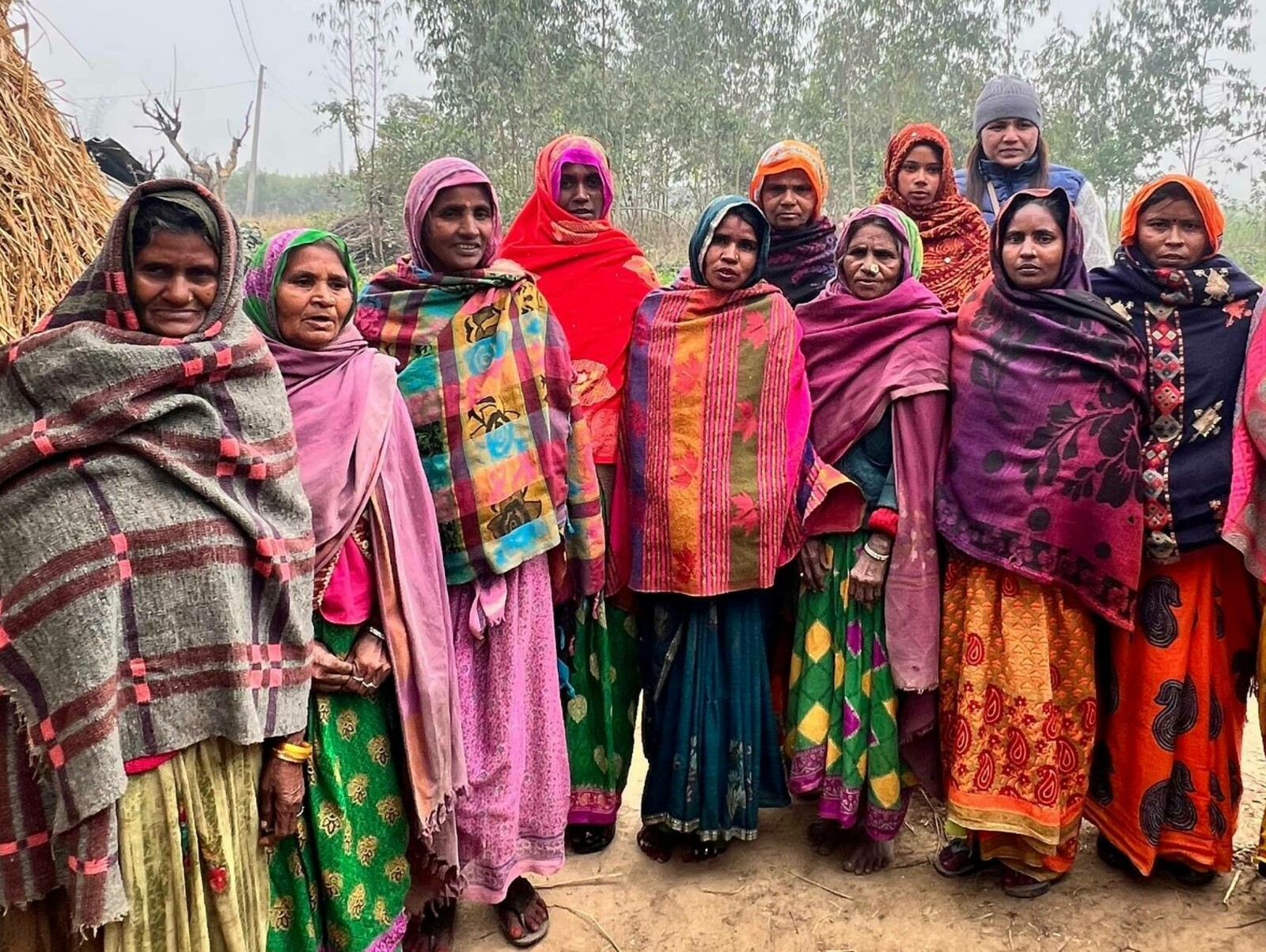
A country of 29.1 million people, 120 languages, and extraordinary resilience.
Nepal sits between the two most populous nations on earth. It is home to eight of the world's fourteen highest peaks and to over 120 spoken languages. In a single generation, it has shifted from an isolated monarchy to a federal democratic republic. It has survived a decade-long civil conflict, a catastrophic earthquake in 2015, and a global pandemic — and rebuilt, each time, from within.
Nepal is among the countries most vulnerable to climate change. Glacial lake outburst floods, increasingly erratic monsoon seasons, landslides on deforested hillsides, and extended droughts in the Terai are displacing communities and destroying livelihoods every year.
For the people INF serves — already marginalised, with limited capacity to absorb shocks — climate disruption adds a further layer of precarity on top of existing poverty, health vulnerability, and social exclusion.
Development Gains, and the Gap They Leave
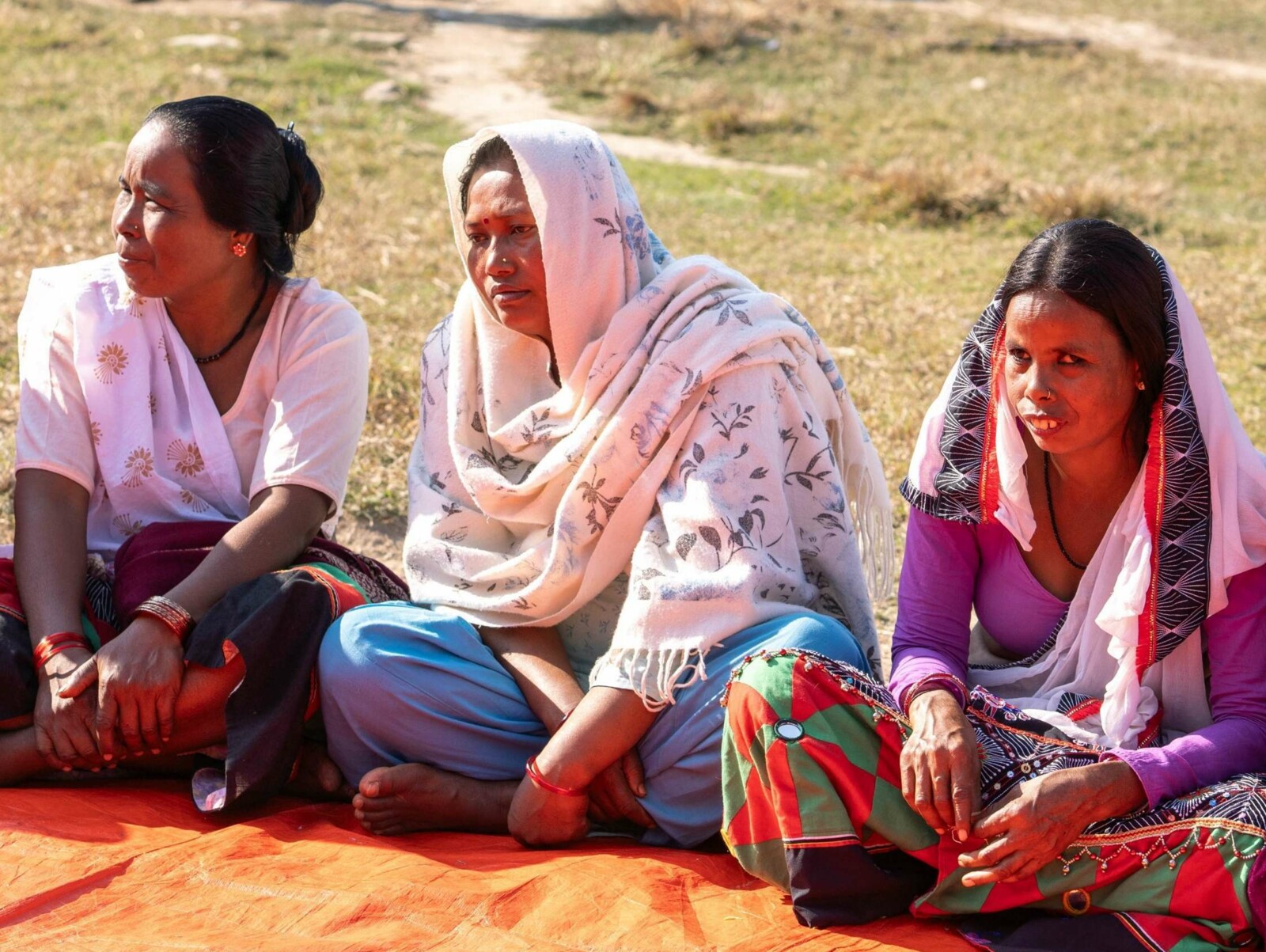
Nepal has made significant development progress in recent decades. Life expectancy has risen. Child mortality has fallen. Literacy rates have improved dramatically. Girls are in school in numbers that would have been unthinkable a generation ago.
But averages conceal the lives of people who sit below them. In Nepal's most remote hill and mountain districts, where people are defined by caste, disability, or gender — the gains have not arrived equally. The distance between the Nepal of the urban centres and the Nepal of the far hills is wide. That gap is where INF works.
Who Gets Left Behind
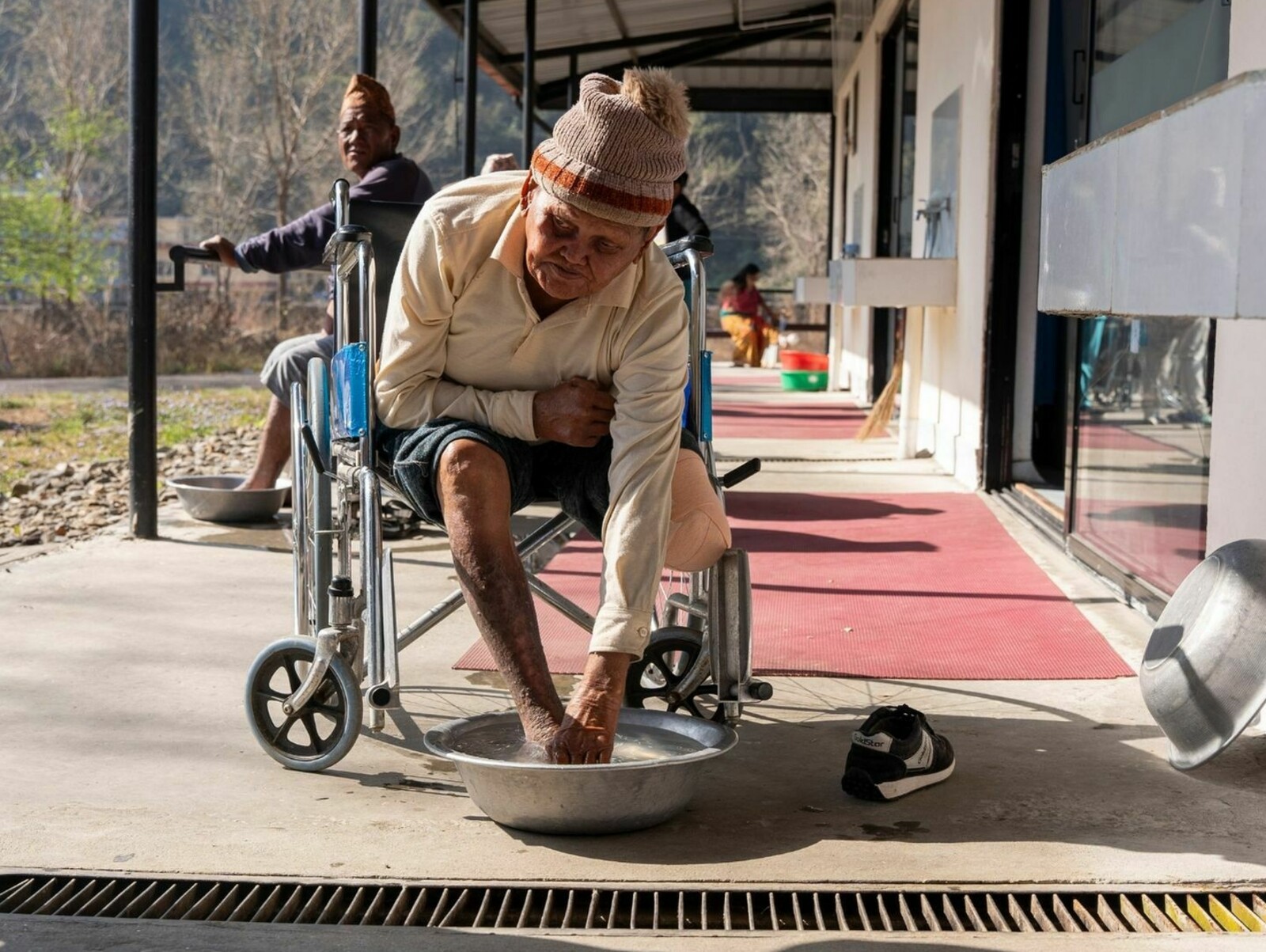
INF's work is not spread across Nepal broadly. It is concentrated in the specific communities and populations that the averages don't represent:
People with disabilities: often excluded from health systems, economic participation, and community governance, their needs treated as private family matters rather than public responsibilities
Women in remote communities: facing barriers to healthcare, income, and decision-making that persist despite national-level progress on gender equality
Communities in mountainous and flood-prone districts: where climate disruption is already eroding livelihoods and healthcare access with increasing frequency
People affected by stigmatised conditions: leprosy, epilepsy, mental illness, whose social exclusion compounds their physical vulnerability
Communities from historically marginalised caste and ethnic groups, where discrimination persists in informal and formal systems, closing doors that should be open
Where INF Australia Works
Bagmati Province
Districts: Kathmandu, Lalitpur
Community health, disability inclusion, and mental health programs through local partner organisations in and around the Kathmandu Valley and adjacent hill districts.
Gandaki Province
District: Kaski
Pokhara, located in Kaski District, is the starting point of INF's Nepal presence since the 1950s. Current work focuses on community health, livelihood development, and partner capacity strengthening across the province.
Lumbini Province
Districts: Kapilvastu, Rolpa, Banke
Community health and livelihood programs across the Terai and hill areas, with particular focus on women's economic empowerment and disability-inclusive community development.
Karnali Province
Districts: Kalikot, Jumla, Jajarkot, West Rukum, Surkhet
Among Nepal's most remote and underserved regions. INF's work here focuses on community health access, maternal health, and nutrition, including communities where reaching health services can require significant travel.
Sudurpashchim Province
District: Kailali
Nepal's far west, with health system strengthening and community health programs supporting communities across the province.
